
Window & Door Replacement in Steamboat Springs
Windows and doors that hold heat in through a long mountain winter, open and close true for decades, and — most of all — are flashed and sealed so water never gets behind them. A written scope before we start, a photo update every week, and the owner on every job.
Call or text 970-393-6239Photos of your space welcome · messages returned the same business day
Serving Steamboat Springs and the Yampa Valley · Written proposal within 48 hours of your walkthrough · Owner-run · Insured in Colorado — certificate of insurance available on request.
What goes into a window & door project
Here's what a window and door project really involves up here — what keeps the heat in, what keeps water out, and what moves the budget — in plain English. You'll leave knowing enough to make confident calls, without the overwhelm. Five decisions decide whether new windows save you money and stay dry for decades — or just look new for a few winters.
Energy performance — U-factor and our climate zone (the number that controls your heating bill)
Every window carries a U-factor — how fast heat escapes through it. Lower is better. Steamboat is Climate Zone 7B, one of the coldest in the country, so the right window here is meaningfully tighter than what a flatland home gets away with. What matters: in a long mountain winter, the U-factor is the difference you actually feel at the glass and pay for on the gas bill — so we spec to the cold we live in, and to the energy code in force.
Glazing — double-pane vs triple-pane (the panes of glass and the gas between them)
Modern windows are sealed units: two or three panes of glass with an insulating gas (usually argon) and a near-invisible low-E coating between them. Triple-pane adds a third pane and a second insulating gap. What matters: up here, triple-pane is usually the right call — it holds more heat, cuts cold drafts and condensation at the glass, and quiets the room. We walk the trade-off (a bit more cost and weight for real winter comfort) so you choose it on purpose, not by default.
Frame material (what holds the glass and how it ages in the cold)
The honest choices: fiberglass (the mountain standout — barely moves with temperature swings, strong, low maintenance), vinyl (budget-friendly and low maintenance, fine in many spots, but it expands and contracts more in big temperature swings), wood-clad (real wood warmth inside, a protective shell outside — beautiful, premium, wants the cladding detailed right), and aluminum (strong but conducts cold unless it's thermally broken). What matters: the frame sets how the window ages through hundreds of freeze-thaw cycles — and whether it keeps sealing tight years from now.
Flashing and sealing — where windows actually leak (the part you never see, and the part that matters most)
A window doesn't fail at the glass — it fails at the hole in the wall around it. The opening has to be flashed in the right order (sill pan first, then jambs, then head) so any water that ever reaches it is sent back out over the siding, never behind it, and the inside is air-sealed so cold air and moisture don't track around the frame. What matters: this is the single biggest reason windows cause rot. A perfect window in a badly flashed opening still leaks. We flash and seal every opening as a system, which is most of why it stays dry.
Exterior doors (the part you touch every day — plumb, sealed, and solid)
A door has to be set plumb and square so it swings true and latches without a shove, sealed with weatherstripping and a proper threshold and sweep so it doesn't whistle cold air or leak meltwater across the floor, and — at the bottom — flashed and pan-protected just like a window. What matters: a door that's hung even slightly out of plumb drags, drafts, and loosens its seal over a few seasons. Set right, it stays tight and feels solid in your hand for years.
Windows and doors are one piece of the envelope — see how it all fits together under exterior remodels, alongside siding and weatherproofing — or Request a Consultation.
What drives the cost — and how we keep you in control
Most of a window-and-door number comes down to a few things: how many openings and how big they are, glazing and frame (double vs triple-pane, vinyl vs fiberglass vs wood-clad), whether it's a like-for-like swap or a re-frame (changing a size, or moving to a larger opening, adds structural and finish work), what we find once the old units come out (a rotted sill or failed flashing adds scope), and the trim and finish inside and out. We walk all of it with you before you commit, put it in a written line-item scope, and the price changes only by a change order you approve.
Built for Steamboat
The mountains are why windows up here are about heat and water first, looks second:
How Elk Ridge does your windows & doors
We treat the opening as a system, not just the window that drops into it. We spec the glazing and frame to a 7B winter, flash every opening in the correct order so water sheds out and never behind, air-seal the inside so cold air and moisture stay out, and set exterior doors plumb and square so they swing true and seal tight. The owner is on the job, you get a photo and status update every week plus a short written recap, and the work is backed by the full Elk Ridge Promise — the Same-Business-Day Reply, No-Surprise Scope, Weekly Visibility, Broom-Clean, and Verified-Crew — plus a written workmanship warranty and final payment only after you sign off.
A simple guide before we talk
A few questions to think through before we talk — they make the walkthrough faster and the plan sharper:
What's driving the project — comfort, looks, or failure?
Cold drafts and high heating bills point one way; foggy glass or a window that won't close points another; a full refresh is its own scope. Knowing which helps us scope it honestly.
Are you replacing like-for-like, or changing sizes?
Swapping the same-size units is simpler; enlarging an opening or moving to a picture window adds structural and finish work — worth deciding early.
How much maintenance do you want?
Near-zero upkeep points to fiberglass or vinyl; the warmth of real wood inside points to wood-clad with a bit of care.
Any door that drafts, drags, or won't latch?
Those usually trace to a unit set out of plumb or a worn seal — flag them so we set the new ones right.
What's your timeline relative to the season?
Openings are best done in the dry months, and units can run long with remote mountain delivery — earlier planning means a better window.
Questions homeowners ask us
Double-pane or triple-pane up here?
What U-factor should my windows have?
Why do new windows still leak sometimes?
Which frame material is best for the mountains?
How will I know what's happening?
What does the warranty cover?
Craftsmanship you can see
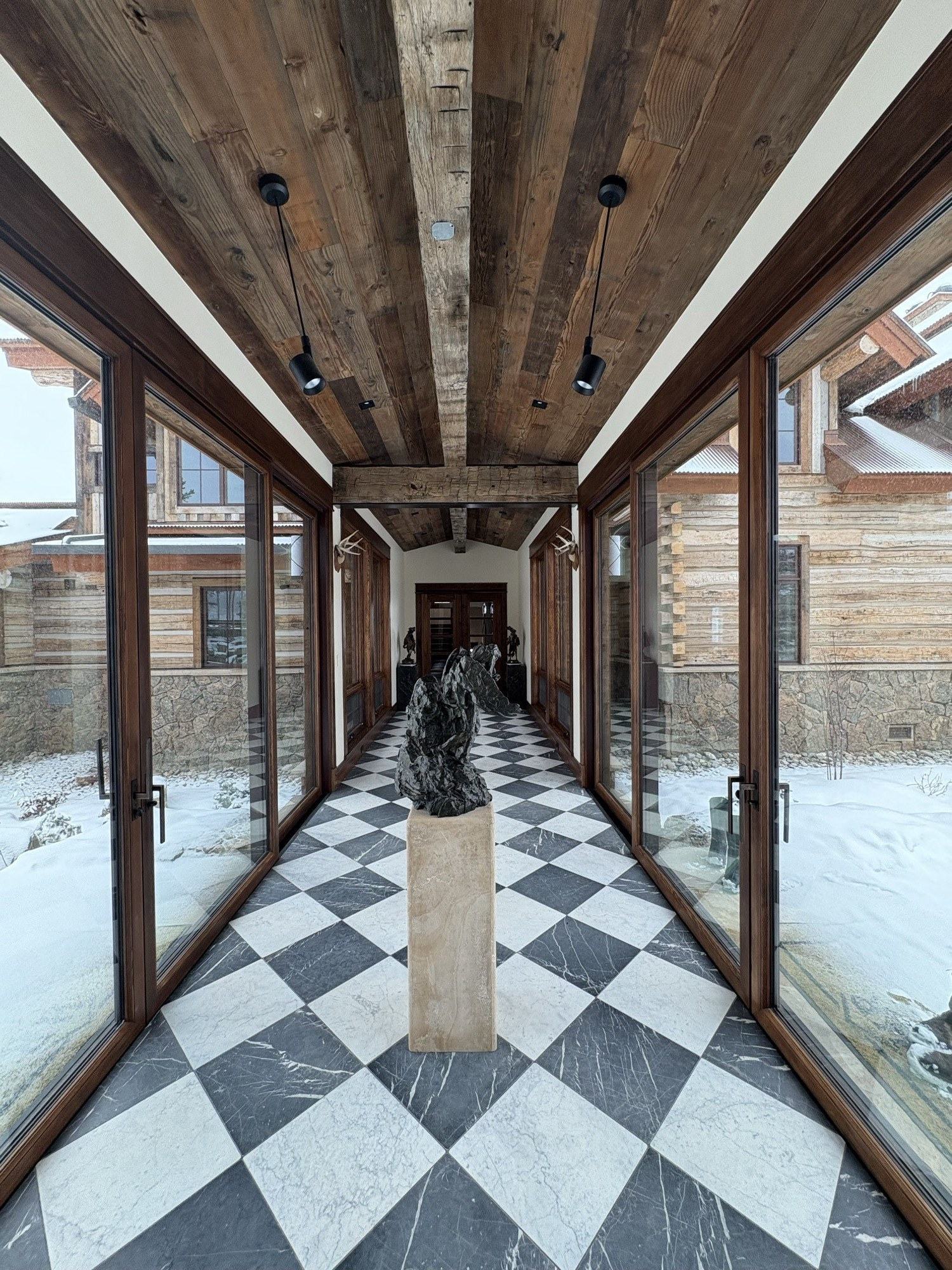
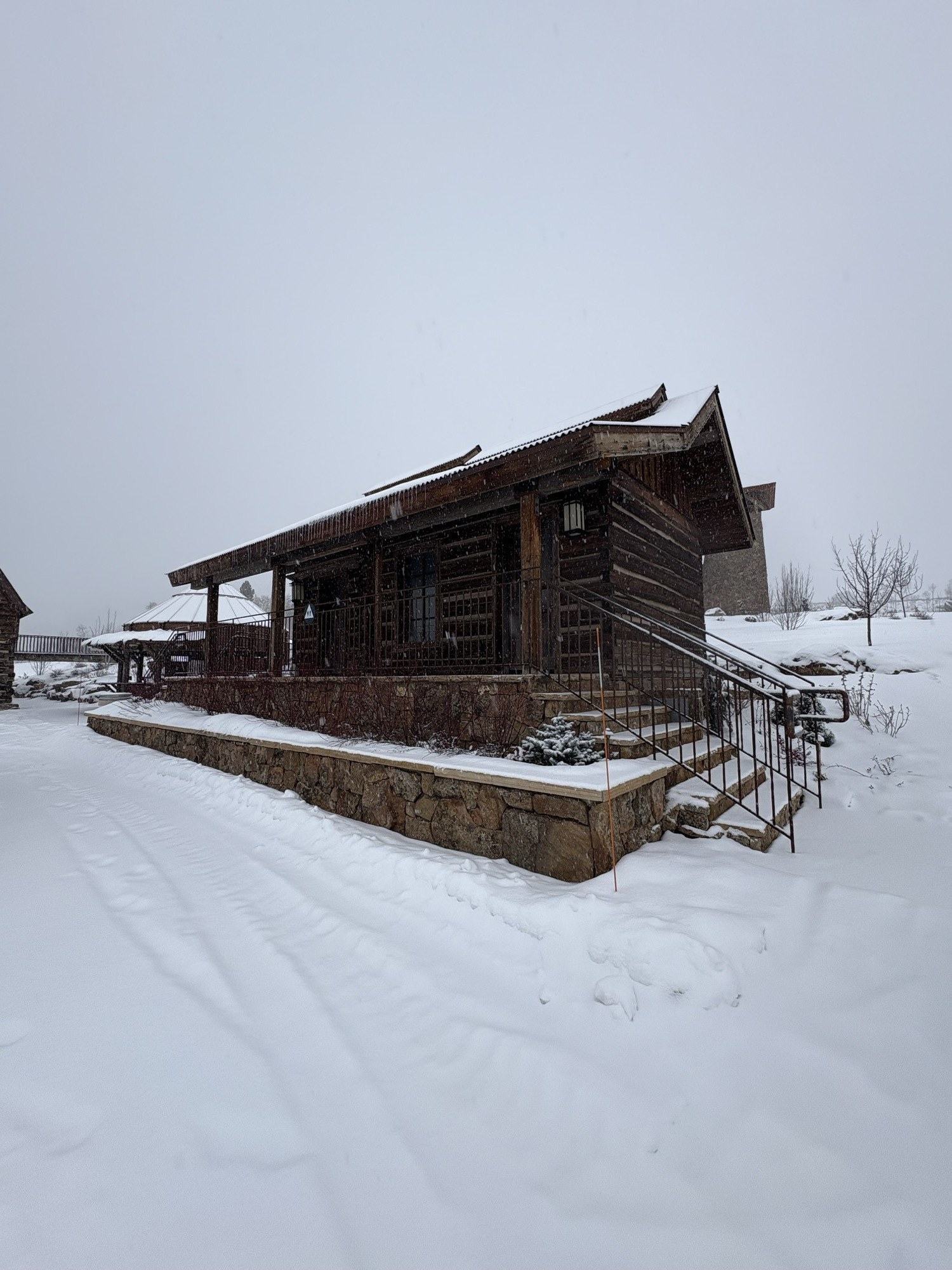
The photos here are real finished craftsmanship completed by our crew — no project or client names, no addresses. Real Elk Ridge window and door projects will be added as they complete with homeowner consent.
Get windows and doors built for the winter
970-393-6239Written proposal within 48 hours of your walkthrough. Calls and texts answered Monday–Friday, 7am–5pm MT — photos welcome. Messages returned the same business day. You reach us directly — no call center, no obligation.