
Deck Builders in Steamboat Springs
Call or text 970-393-6239Photos of your space welcome · messages returned the same business day
A deck that carries a full winter of snow and still looks right in twenty years — engineered to your parcel's verified snow load, with footings to frost depth and the owner on every job.
Serving Steamboat Springs and the Yampa Valley · Written proposal within 48 hours of your walkthrough · Owner-run · Insured in Colorado — certificate of insurance available on request.
What goes into a mountain deck
Here's what a deck really involves up here — what carries the snow, what keeps water off your house, and what moves the budget — in plain English. You'll leave knowing enough to make confident calls, without the overwhelm. Six decisions decide whether a deck lasts thirty winters or fails in three.
🪵 Decking material (the surface you see and touch)
The three honest choices up here: capped composite (a wood-fiber core wrapped in a polymer shell — low maintenance, holds up to UV and freeze-thaw, no annual sealing), hardwood (real wood warmth, but it wants careful shoveling, a no-salt rule, and re-sealing to survive mountain sun and snowmelt), and premium boards over a steel substructure for the longest spans and the flattest, most stable surface.
What matters: a non-porous, low-absorption surface resists the freeze-thaw cracking that chews up cheaper boards.
🧱 Footings to frost depth (what holds it to the ground)
In Routt County the frost line is 48 inches — footings have to reach below it.
What matters: a footing that stops short of frost depth will heave when the ground freezes and thaws, lifting and racking the whole deck. This is the single detail that separates a deck that stays flat from one that twists out of level in two winters.
❄️ Snow-load engineering (what carries the winter)
Steamboat sits in a Case Study snow-load zone — there is no single number, so the load is verified for your specific parcel.
What matters: a mountain deck's joists, beams, and posts have to be sized to carry roof-level snow load, not flatland deck load. A deck built to lowland specs sags, or in a heavy year, fails. We size the structure to what your parcel actually requires.
🪜 Railings and stairs (safety and the way it feels to use)
Code-height guards, baluster spacing that meets the gap limit, and stairs with consistent rise and run and a graspable handrail.
What matters: this is the part inspectors look at hardest and the part you touch every day — it has to be both code-correct and solid under your hand.
💧 Ledger and flashing (where most decks actually fail)
The ledger is the board that ties the deck to your house — and a bad one is how decks rot or, worst case, pull away.
What matters: the ledger has to be lag-bolted into the framing, not just the sheathing, and flashed so water sheds over the siding below it, never behind it. Done right, the wall stays dry. Done wrong, water runs into the wall and rots it from the inside where you can't see it.
🎨 Finishes and details (what makes it yours)
Hidden fasteners for a clean board face, fascia and skirting, lighting, built-in benches or planters, and a railing style that fits the house.
What matters: the details are where a deck reads as custom instead of catalog — and good detailing also closes the gaps where water and ice would otherwise get a foothold.
Decks are one piece of the envelope — see everything we remodel outside in Exterior Remodels, including siding built for the same winters.
What drives the cost — and how we keep you in control
Most of a deck number comes down to a few things: size and height (a tall deck needs bigger footings, posts, and often stairs), decking material and railing style, how the structure has to be engineered for your parcel's snow load, and access and site conditions — steep or tight lots cost more to build on. We walk all of it with you before you commit, put it in a written line-item scope, and the price changes only by a change order you approve.
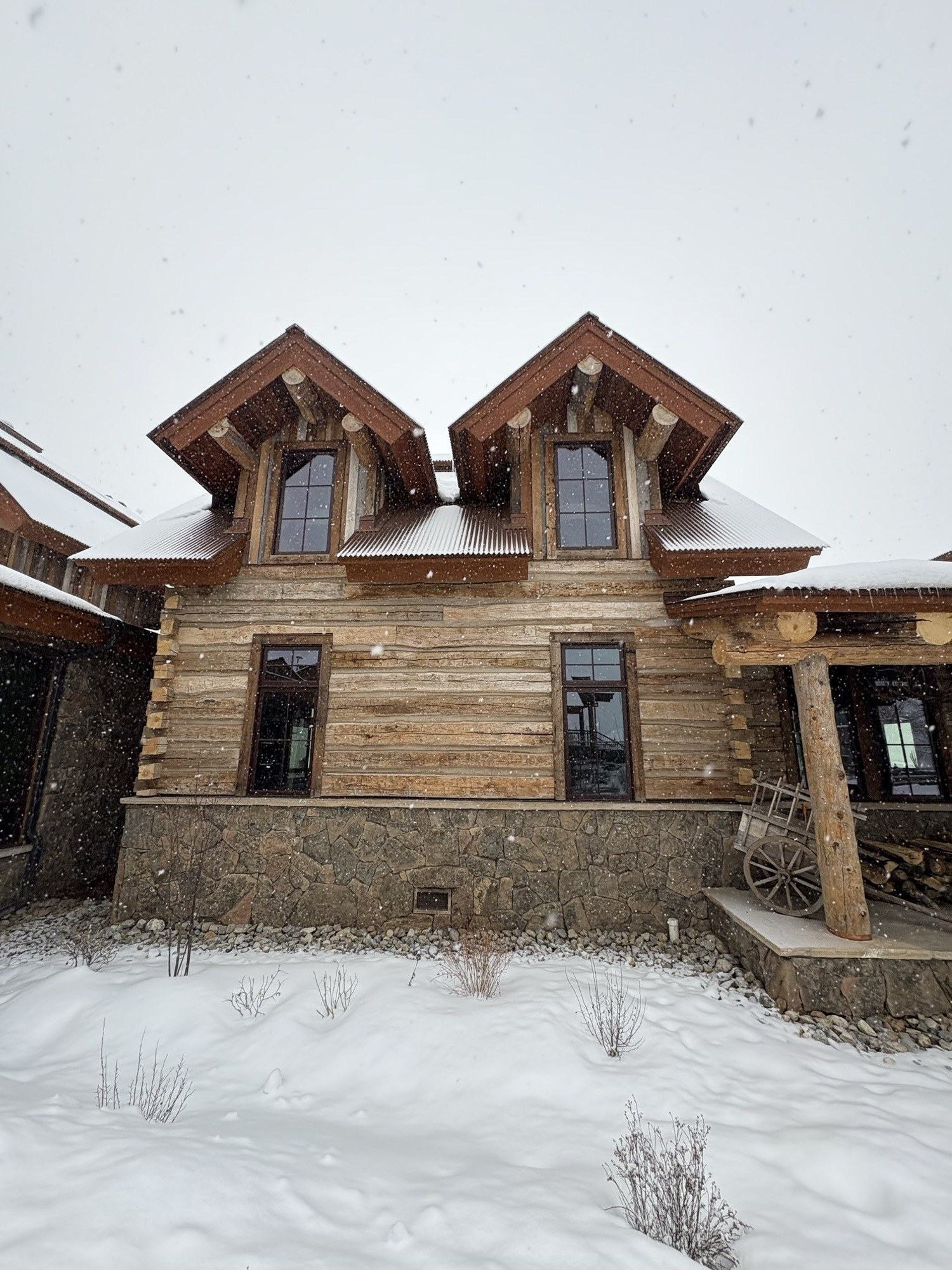
Built for Steamboat
The mountains are why a deck up here is a structural project, not a weekend add-on:
How Elk Ridge builds your deck
We treat the deck as a structure first and a surface second. We confirm your parcel's snow load and frost depth before we size a single beam, build the connection to your house to shed water, and detail the railings and stairs to code and to feel solid under your hand. The owner is on the job, you get a photo and status update every week plus a short written recap, and the work is backed by the full Elk Ridge Promise — the Same-Business-Day Reply, No-Surprise Scope, Weekly Visibility, Broom-Clean, and Verified-Crew — plus a written workmanship warranty and final payment only after you sign off.
A simple guide
A few questions to think through before we talk — they make the walkthrough faster and the plan sharper:
How do you want to use the deck?
Quiet morning coffee, big summer dinners, a hot tub — the use drives the size, the structure, and the layout.
What's your sun and snow situation?
Which way does it face, where does the snow slide off the roof, and where does it pile up. It changes both material and structure.
Maintenance — how much do you want?
Near-zero upkeep points to capped composite; the warmth of real wood points to hardwood with a seasonal routine.
What's your timeline relative to the season?
Footings and framing go best in the dry months, and trades book several weeks out in peak season — earlier planning means a better window.
Decking, railings & the details that keep a deck dry
A lot of deck searches start with one decision — composite or wood, which railing, how to keep water off the house. Here's a straight comparison of what we build in Steamboat Springs and across Northwest Colorado, plus the waterproofing details that decide whether a deck lasts thirty winters or rots quietly from underneath. See how the surfaces fit the rest of your house in our materials guide and the full Exterior Remodels picture.
Composite vs. natural wood decking
Capped composite
A wood-fiber core wrapped in a polymer shell. It holds up to UV, snow, and freeze-thaw with almost no maintenance — no annual sealing, no splinters, stable color.
Choose it when you want to use the deck, not maintain it. Plan for shoveling with a plastic blade and the same no-salt habit that protects any deck surface.
Natural hardwood & cedar
Real-wood warmth and grain — beautiful, and the right call for some homes. At altitude it wants careful shoveling, a no-salt rule, and re-sealing to survive intense sun and snowmelt.
Choose it when the look and feel of real wood is the point and you'll keep up the seasonal routine. Look elsewhere when you want near-zero upkeep.
Premium boards over steel
High-end decking on a steel substructure for the longest spans and the flattest, most stable surface — the most dimensionally stable build through freeze-thaw seasons.
Choose it when you want the most stable, longest-lived structure and have the budget for it. It's overkill for a small, low ground-level deck.
Waterproof details that protect the house
Most decks that fail don't fail at the boards — they fail at the connection to the house or under the surface where you can't see it. These are the details we get right on every build:
Railings & exterior stairs that fit the view
The railing is the part you see from inside and touch every day, and it's where inspectors look hardest. We build all of these to code-correct guard height and baluster spacing:
Cable railing
Thin horizontal stainless cables in a wood or metal frame — nearly disappears, which is why it's the go-to when the view is the whole reason for the deck.
Choose it when you want the most open sightline to the valley or mountains.
Black-metal & aluminum
Powder-coated metal pickets or panels — crisp, low-maintenance, and the signature of the mountain-modern look. Holds up well to our weather.
Choose it when you want a clean modern line with minimal upkeep.
Glass railing
Tempered glass panels — a clear wind block that keeps the view while cutting the breeze, good for exposed, windy sites.
Choose it when wind is a problem and you still want to see through the rail. Plan for cleaning, which shows up faster than on cable or metal.
Not sure which decking or railing fits your deck? That's what the walkthrough is for — see how it all connects in Materials and Exterior Remodels.
Questions homeowners ask us
Can you build a deck that holds our snow?
Composite or wood — what do you recommend up here?
Why do decks fail in the mountains?
Do I need a permit?
How will I know what's happening?
What's the best railing for a deck with a view?
Do hidden fasteners and joist tape really matter?
Can you build a covered deck or keep the space under it dry?
What does the warranty cover?
Deck craftsmanship you can see
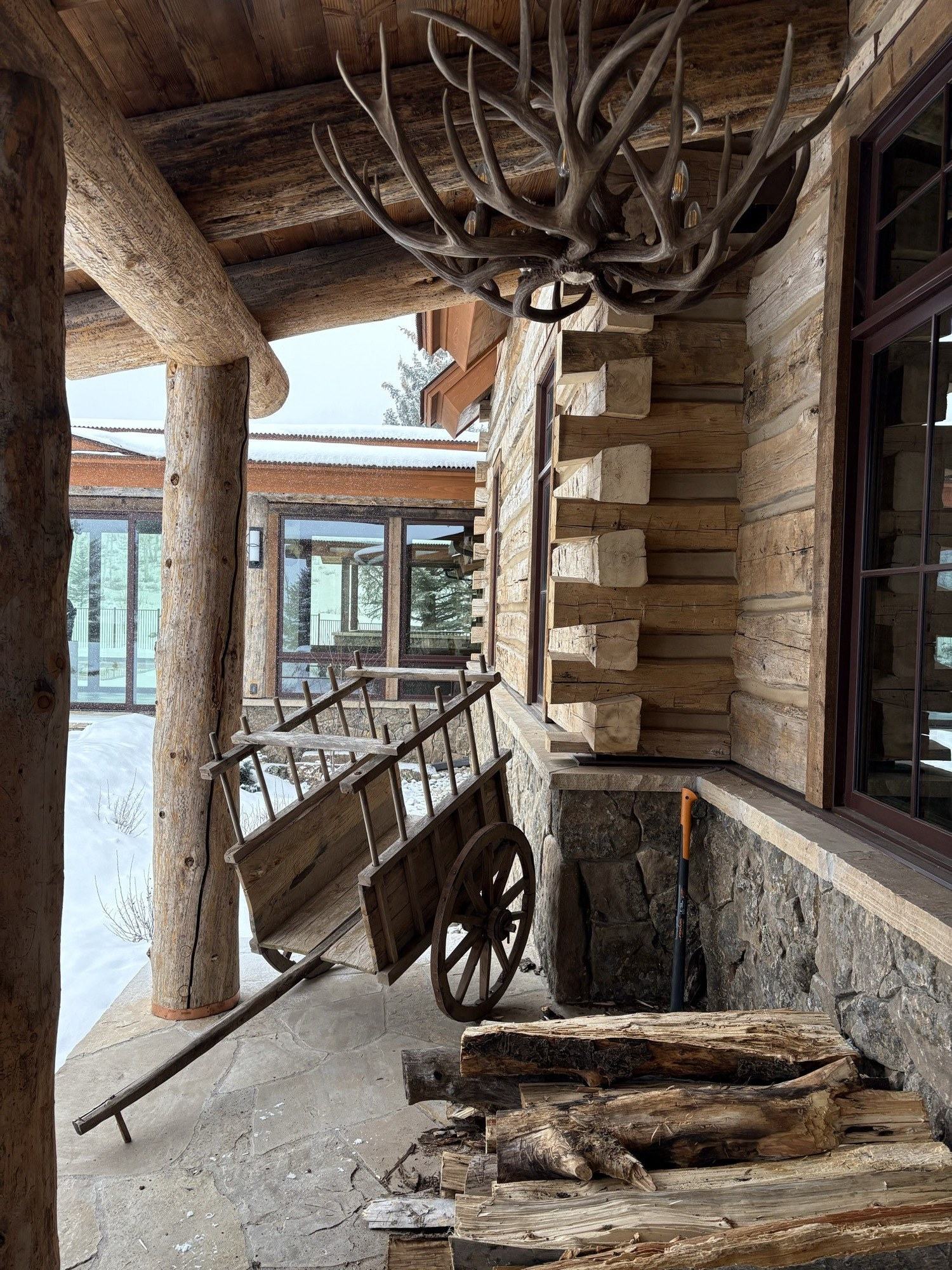
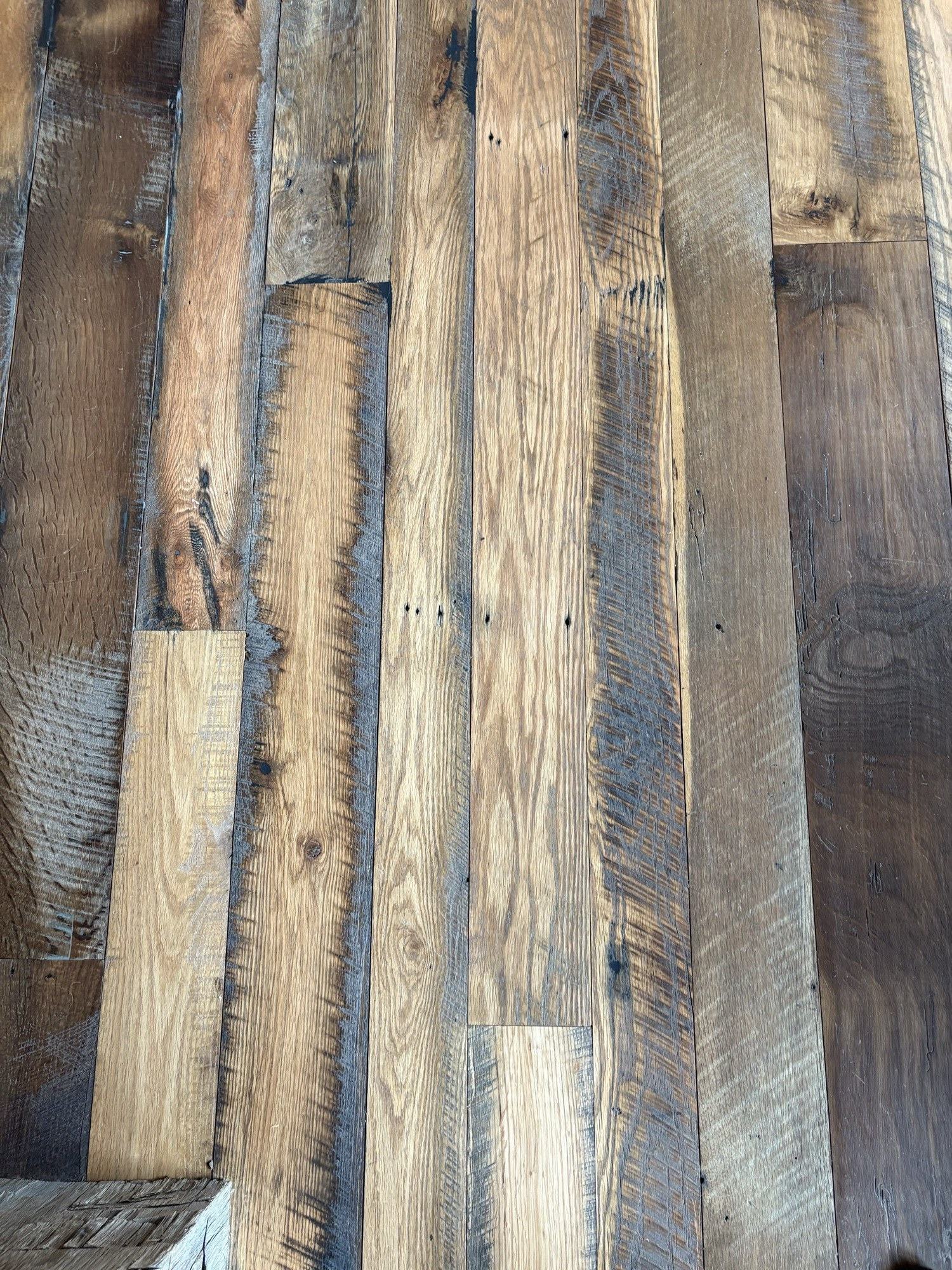
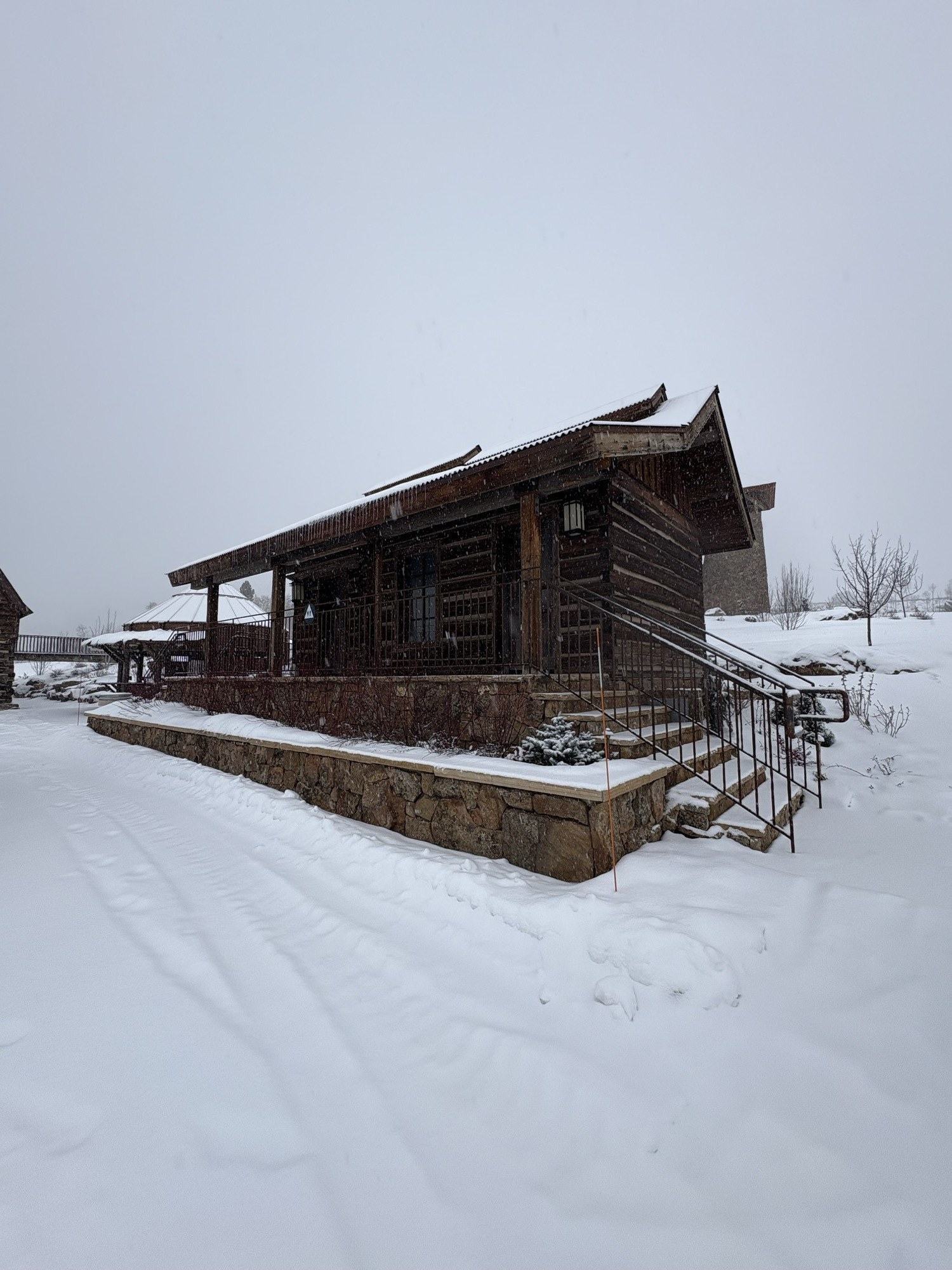
Real finished craftsmanship completed by our crew — no stock images, no other company's work shown as our own. As our first Elk Ridge deck projects complete with homeowner consent, full project sets will appear here.
Get a deck built for the mountains
970-393-6239Written proposal within 48 hours of your walkthrough. Calls and texts answered Monday–Friday, 7am–5pm MT — photos welcome. Messages returned the same business day. You reach us directly — no call center, no obligation.