
Flooring in Steamboat Springs
Here's what a flooring project really involves — hardwood, tile, and luxury vinyl, plus the prep under it that decides whether it lasts — what moves the budget, and how we run it. Plain English, the owner on the job, a written scope before we start, and a photo every week.
Call or text 970-393-6239Photos of your space welcome · messages returned the same business day
Owner on every job · The prep done right under the floor · A photo update every week · Serving Steamboat Springs and the Yampa Valley.
A new floor changes a home more than almost any other single project — and most of what makes it last happens before the first plank or tile goes down. The material you see is only as good as the subfloor, the moisture check, and the prep underneath it. This page walks you through the decisions that shape the result — hardwood versus tile versus luxury vinyl, what the prep really involves, and the mountain-specific factors that flatland installers never deal with — so you know enough to make confident calls without becoming a flooring pro yourself.
Flooring runs through nearly every interior remodel we take on — and it stands on its own just as well.
The decisions that shape a floor — in plain English.
You don't need to master all of these. You just need to know they exist and which ones matter for your home. We handle the prep and the install; this is so you can steer the decisions.
Hardwood
The classic, and the one with the most nuance up here. Solid hardwood is timeless but moves with humidity, and our dry mountain air can make it cup or gap if it isn't handled right; engineered hardwood is more stable across temperature and moisture swings, which matters a lot at altitude and over in-floor heat. What matters: the wood is acclimated to your home before it's installed, and the right type is chosen for your subfloor, your climate, and whether you have radiant heat.
Tile
The most durable and water-tolerant choice, and the warmest, most efficient floor there is over radiant heat. Tile is the right call for entries, mudrooms, baths, and anywhere snowmelt and water show up. What matters: tile is only as flat and crack-free as the substrate under it, so the subfloor has to be stiff, level, and prepped with the right underlayment before a single tile is set.
Luxury vinyl plank (LVP)
The practical workhorse — waterproof at the plank, durable, warmer underfoot than tile on its own, and forgiving of the moisture and traffic a mountain home throws at it. Quality rigid-core LVP looks convincingly like wood and handles entries and high-use areas well. What matters: even waterproof flooring needs a properly prepped, flat subfloor and a moisture-checked slab — and radiant-heat installs follow the manufacturer's temperature limits so the floor performs as it should.
Subfloor prep
The invisible step that decides everything. Before any flooring goes down, the subfloor has to be sound, level, and flat — fastened so it doesn't squeak, ground or filled where it's high or low, and repaired where it's soft. What matters: skipping or rushing prep is the single most common reason floors fail early, so we level and prep first, every time, no matter what goes on top.
Moisture testing
Especially over concrete slabs and in below-grade spaces, moisture is what wrecks a floor — and you can't see it without testing for it. What matters: we test the slab's moisture before installing, because the wrong number means the wrong floor or the wrong adhesive, and a floor installed over a wet slab can fail no matter how good the material is.
Radiant-heat compatibility
Many Steamboat homes have in-floor heat, and not every floor plays nicely with it. Tile is the best performer over radiant; engineered wood is the right wood choice; LVP works when the manufacturer's temperature limits are respected; solid hardwood is the riskiest over heat. What matters: the flooring is matched to your radiant system and installed to the temperature specs, so the heat works and the floor doesn't cup, gap, or void its warranty.
Transitions & thresholds
The small detail that reads as "well built" — where one floor meets another, where the floor meets a door, and especially the transition at an exterior entry where snowmelt arrives. What matters: clean, level transitions and the right threshold at the door, so there are no trip edges, no gaps, and water at the entry has somewhere to go instead of into the floor.
Not sure which floor is right for your home?
What actually drives the cost of flooring — so you can steer it.
Two floors the same size can land far apart on material, prep, and what's underneath. We won't quote a number sight-unseen, but we'll be straight about what moves it, so you steer the budget before we start, not discover it after.
A useful rule of thumb: LVP is the practical, cost-efficient choice, while hardwood and premium tile are lasting investments in how the home looks and lives. Every floor is priced to your home, your material, the prep it needs, and a written scope — never a number pulled from the air.
Get honest budget direction for your floors —
A mountain floor deals with things a flatland floor never does.
We build for where your home actually sits — dry air, in-floor heat, snowmelt at the door, and owners who aren't always in town.
Wood movement in dry, high-altitude air
Our climate is dry, and wood floors respond to it — install without acclimating the wood to your home first and you risk cupping, gapping, and a floor that telegraphs every season. We let the material acclimate on site before it goes down, and we steer you toward engineered hardwood where stability matters most, so the floor stays flat year-round.
Radiant-heat-compatible flooring, matched on purpose
Many Steamboat homes run on in-floor heat, and the floor has to be chosen for it — tile performs best, engineered wood is the right wood, LVP works within its temperature limits, and solid hardwood is the riskiest. We match the material to your radiant system and install to the temperature specs, so the heat works and the floor lasts.
Moisture from snowmelt at entries
Mudrooms, entries, and the strip just inside the door take the brunt of snowmelt and wet boots. We put water-tolerant flooring — tile or quality LVP — where the water shows up, with the right threshold and transition at the door, so melt has somewhere to go instead of soaking into the floor.
Older homes get tested before demo
Homes built before 1980 can hide asbestos in old flooring and adhesives, so we test before anything comes up — no surprises mid-demo, no exposure to your family. It's a quiet step most crews skip and the right one to take.
Planning from out of town? Send us your floor photos —
We get the floor right under the floor before anything goes down.
Anyone can lay a plank. A floor that stays flat, quiet, and crack-free for years is decided by the prep most installers rush. Here's the difference, in one place.
- 01
Prep first, every time
Before any material goes down, the subfloor is made sound, level, and flat, the slab is moisture-tested where it matters, and the wood is acclimated to your home — because that's what decides whether the floor lasts, not the brand on the box.
- 02
One job at a time, owner on it
We run one project at a time, so yours gets the attention it deserves, and the owner is on your job, not a relay through a foreman.
- 03
The no-surprise spine
A written, line-item scope before we start · a photo and status update every week plus a short written recap · change orders priced in writing and approved before any work proceeds · final payment only after you sign off at the walkthrough.
- 04
The guarantee, in one line
A written workmanship warranty, a verified crew (current insurance certificate, a current W-9, signed agreement before they enter your home), and your home left broom-clean at the end of each work day.
Four questions to sit with before your walkthrough.
You don't need answers to all of these — they're just the things worth thinking about. Come with a sense of them and your walkthrough goes further, faster.
- 01
Which rooms, and how are they used?
A whole-home floor, a single room, or the high-traffic and wet areas — and whether kids, pets, and ski boots are part of daily life. How a room gets used should drive the material before the look does.
- 02
Do you have in-floor radiant heat?
It's one of the first things worth knowing, because it shapes which floors are a good fit and how they get installed. If you're not sure, we can check at the walkthrough.
- 03
What's underneath now, and what's coming up?
Concrete slab or wood subfloor, an older home or newer, tile or carpet or old hardwood being removed — the existing floor and subfloor shape the prep and the budget.
- 04
What matters more — the look, the durability, or the budget?
Most people lean one way, and naming it lets us point you to the material that fits. Hardwood for warmth and resale, tile for durability and wet areas, LVP for practical everyday life.
Steamboat flooring — common questions.
Hardwood, tile, or LVP — which is right for my home?
Can you install flooring over my in-floor radiant heat?
Why does the subfloor matter so much?
Do you acclimate wood flooring before installing it?
What flooring holds up best at a snowy mountain entry?
Can you plan flooring for a second home while I'm out of town?
What does the workmanship warranty cover?
Verified client reviews will appear here as our first Elk Ridge projects complete. We don't post reviews or ratings we haven't earned yet.
Have a question that isn't here?
Craftsmanship you can see.
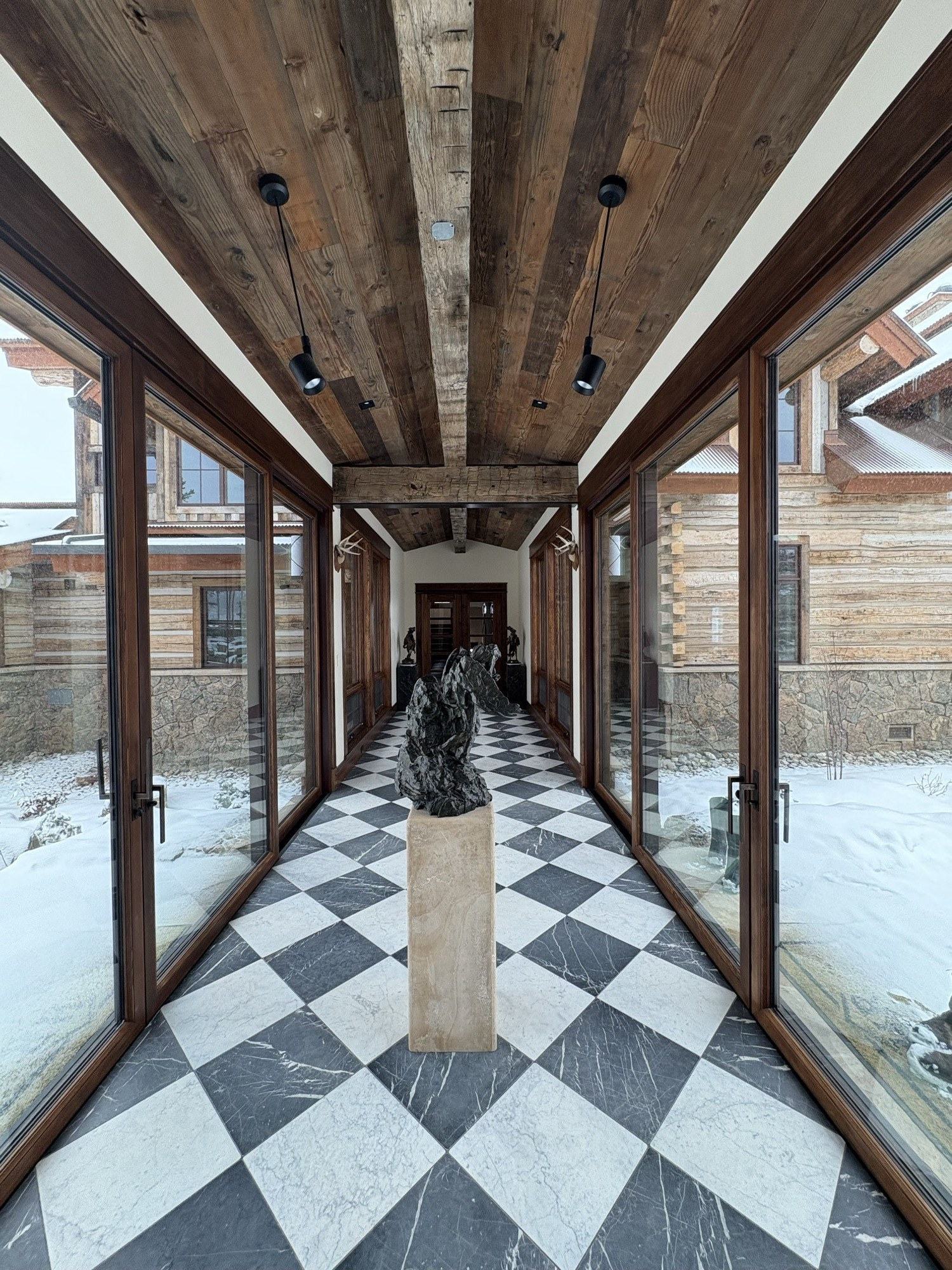
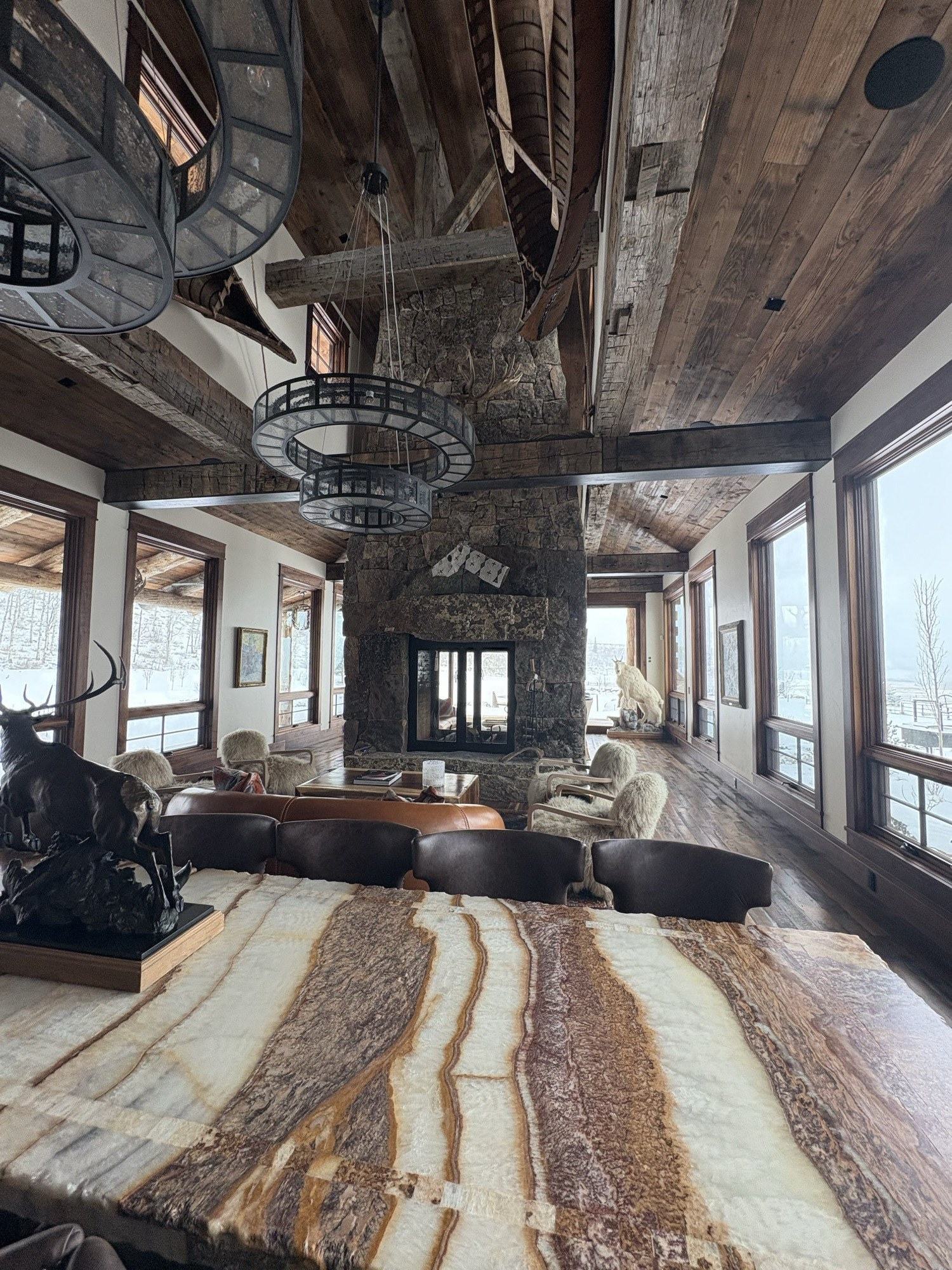
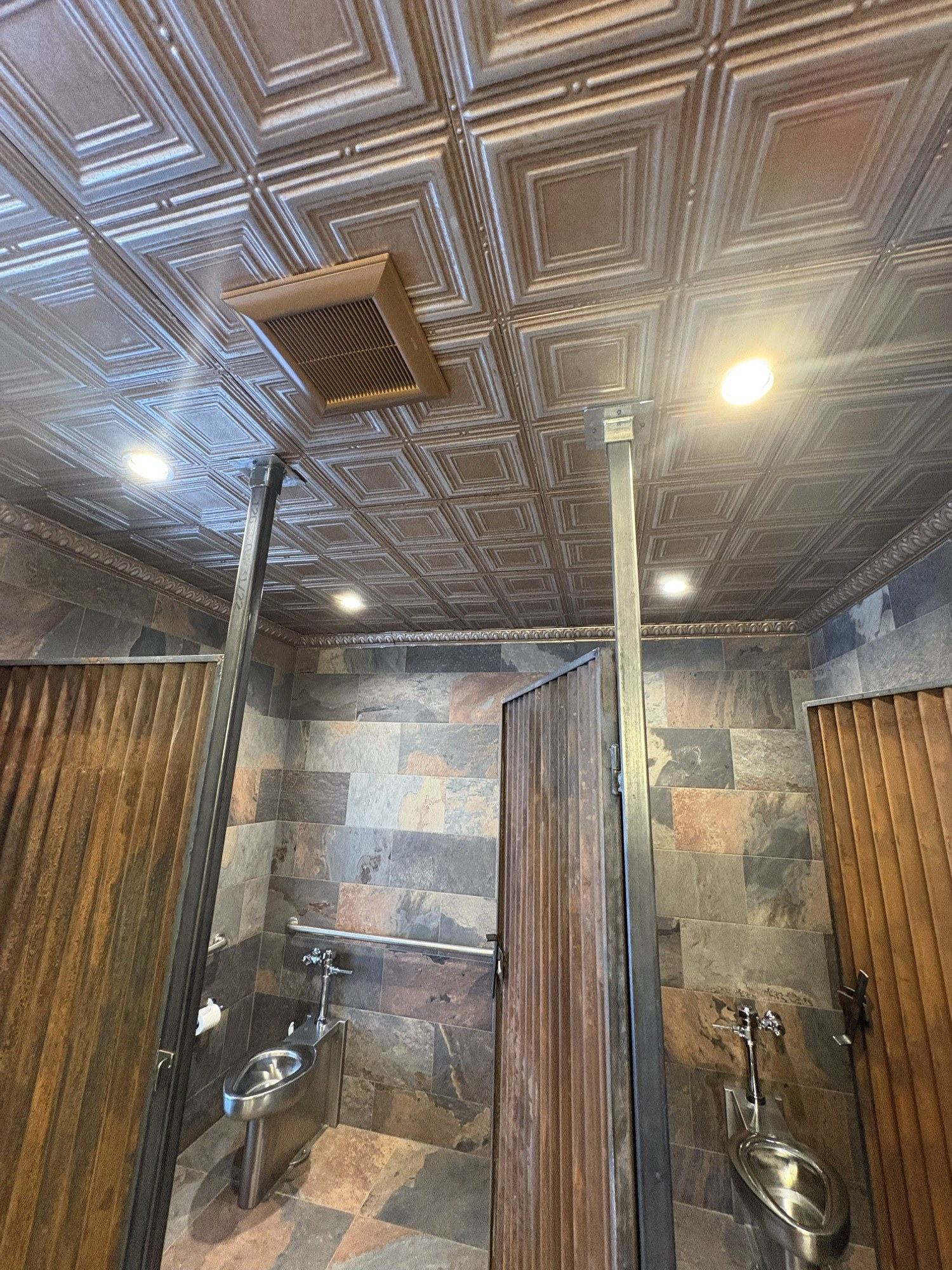
The photos here show real finished flooring craftsmanship completed by our crew. We don't show stock images or another company's work as our own. As our first Elk Ridge floors complete with homeowner consent, full before-and-after sets will be added here.
Your Steamboat floor starts with a walkthrough.
Tell us what you're picturing — hardwood, tile, luxury vinyl, or you're not sure yet — and we'll give you honest material and budget direction for your rooms and your subfloor, then a written, line-item proposal within 48 hours of the walkthrough. Send photos to start; remote owners can begin by phone.
970-393-6239Written proposal within 48 hours of your walkthrough. Calls and texts answered Monday–Friday, 7am–5pm MT — photos welcome, messages returned the same business day. Owner-run · Insured in Colorado — certificate of insurance available on request.